

In the glittering world of Hollywood, 2026 marks a pivotal year where artificial intelligence isn’t just a behind-the-scenes tool but a bona fide co-star stealing scenes alongside human actors. From the blockbuster success of *Neural Nexus*, directed by visionary filmmaker Ava Chen, to indie darlings like *Echoes of Code*, AI-generated characters are reshaping narratives and challenging traditional storytelling. Take *Neural Nexus*, for instance: this sci-fi thriller features an AI entity named Elara, voiced and visually rendered by a neural network trained on thousands of hours of archival footage from classic stars like Audrey Hepburn and Humphrey Bogart. The result? A performance that’s eerily human, blending nostalgia with cutting-edge tech. Critics rave about how Elara’s adaptive dialogue —generated in real-time during filming—adds unpredictability, making each take unique. But it’s not without controversy. Actors’ unions, led by the Screen Actors Guild-AFTRA, have pushed for “AI royalties,” arguing that digital performers derived from real actors’ likenesses deserve compensation. In a recent interview, guild president Mia Torres stated, “We’re not against innovation, but we must protect the human element that makes cinema magical.”

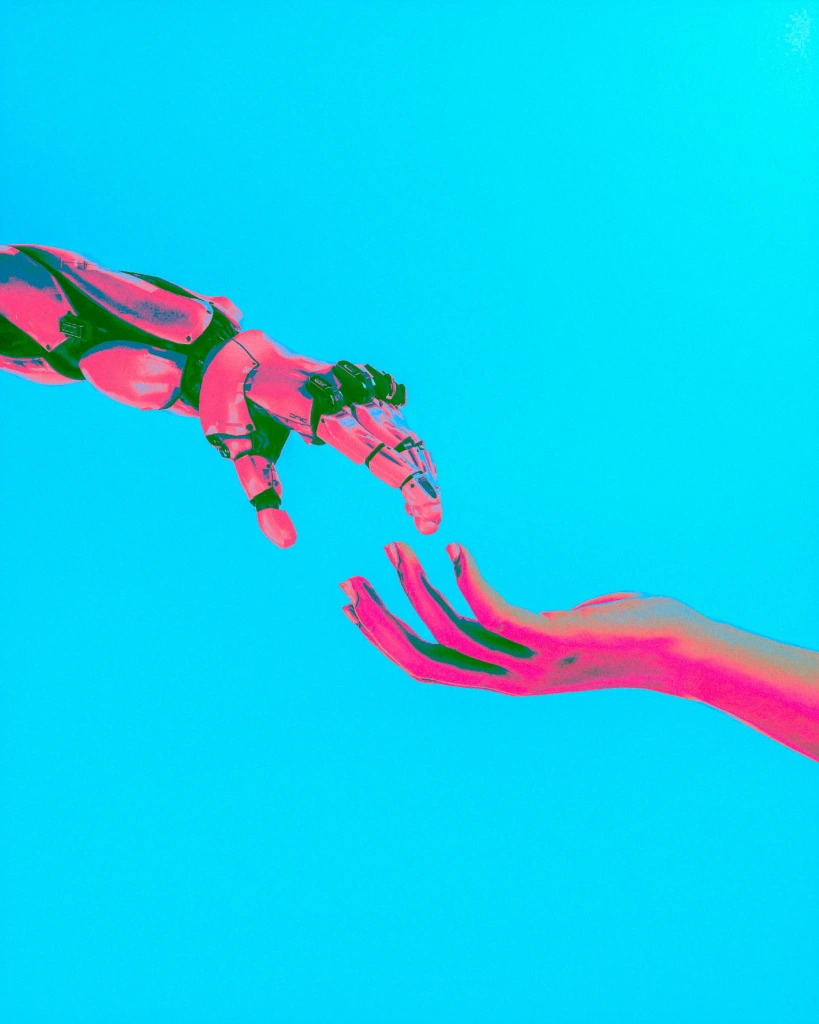
Beyond the big screen, AI is infiltrating television and streaming. Netflix’s *Synthetic Souls* series, now in its third season, uses AI to create personalized episodes where viewers’ choices influence character arcs, much like interactive games but with photorealistic visuals. This has boosted subscriber engagement by 35%, according to industry reports. Pop culture enthusiasts are buzzing about how this blurs the line between viewer and creator. Meanwhile, Warner Bros. has launched an AI-scriptwriting lab, collaborating with tech giants like xAI to generate plot twists that human writers refine. Early results? Films like *Quantum Hearts*, a romantic comedy where an AI matchmaker pairs unlikely lovers, have grossed over $500 million globally.
The ethical debates rage on. Is AI creativity or imitation? Filmmakers like Jordan Peele warn of “digital blackface” if AI replicates underrepresented voices without consent. Yet, proponents argue it democratizes filmmaking, allowing low-budget creators to produce high-quality effects. In 2026, festivals like Sundance have dedicated categories for AI-assisted films, spotlighting entries from diverse global talents who couldn’t afford traditional production. As Hollywood evolves, one thing’s clear: AI co-stars are here to stay, promising a future where the silver screen shines brighter with silicon sparks. This fusion of tech and talent isn’t just a trend—it’s the new script for entertainment’s next act.