
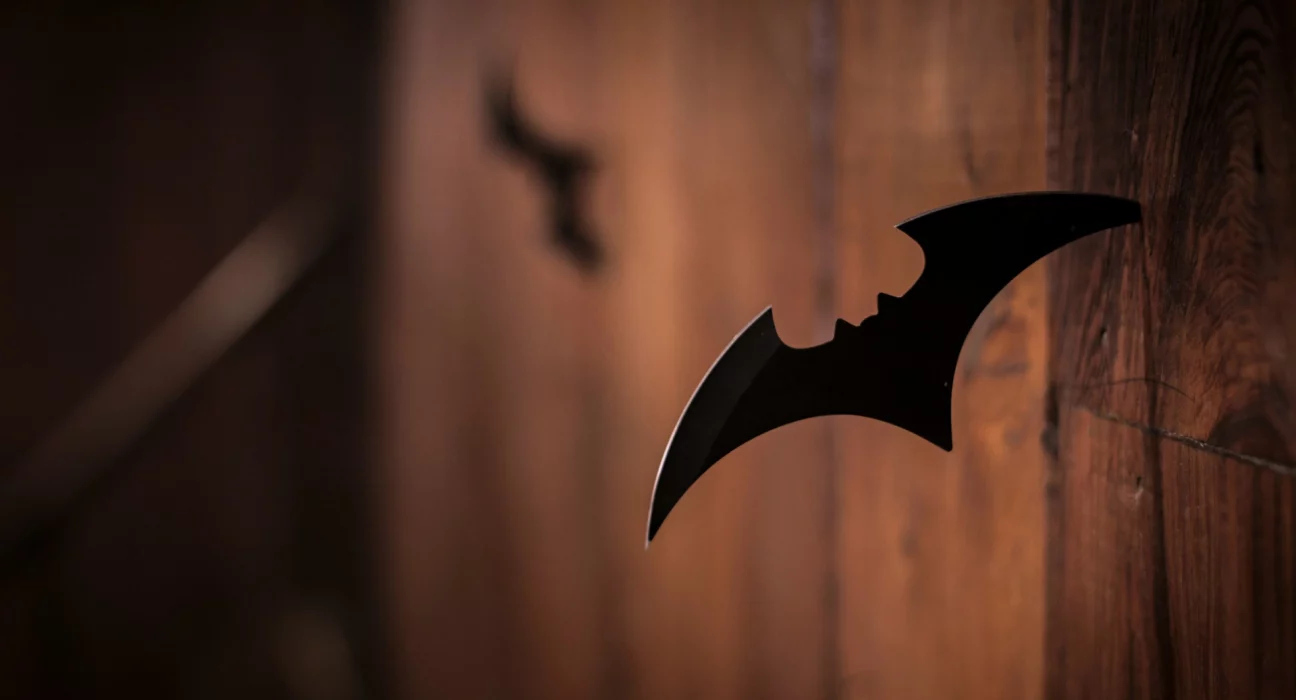
By 2026, whispers of “superhero fatigue” have turned into a full-blown debate, yet the genre persists, evolving beyond capes and CGI battles. Marvel’s *Avengers: Quantum Reckoning* shattered records with $1.2 billion, but its success lies in deconstruction—heroes grappling with real-world issues like climate change and AI ethics, starring a diverse cast led by Simu Liu as a reluctant leader. DC’s *Justice League: Shadows* takes a darker turn, exploring vigilante burnout, with Robert Pattinson’s Batman mentoring a new generation.
Why the shift? Post-2023 box-office slumps forced studios to innovate. Indie comics adaptations, like Image’s *Saga* series on Hulu, focus on character-driven stories over spectacle, earning Emmy nods. Pop culture reflects this: memes mock overused tropes, while fans crave authenticity, as seen in viral X threads praising *The Boys* season 7 for its satire.

Emerging talents like director Chloe Zhao infuse mysticism, blending superheroes with folklore in *Eternals 2*. Crossovers with non-super genres thrive—think rom- com *Hero Hearts* on Netflix. Analysts foresee hybrids dominating, with VR experiences letting fans “suit up.”
Despite fatigue claims, the genre mutates, proving superheroes aren’t dying— they’re adapting to save the day in fresh ways.